LANSING, MI (WKZO AM/FM) — Lifting millions of Michiganders out of poverty will require bold new initiatives, expanded state policies and a significant financial investment, according to a new report released today by the Michigan Poverty Task Force.
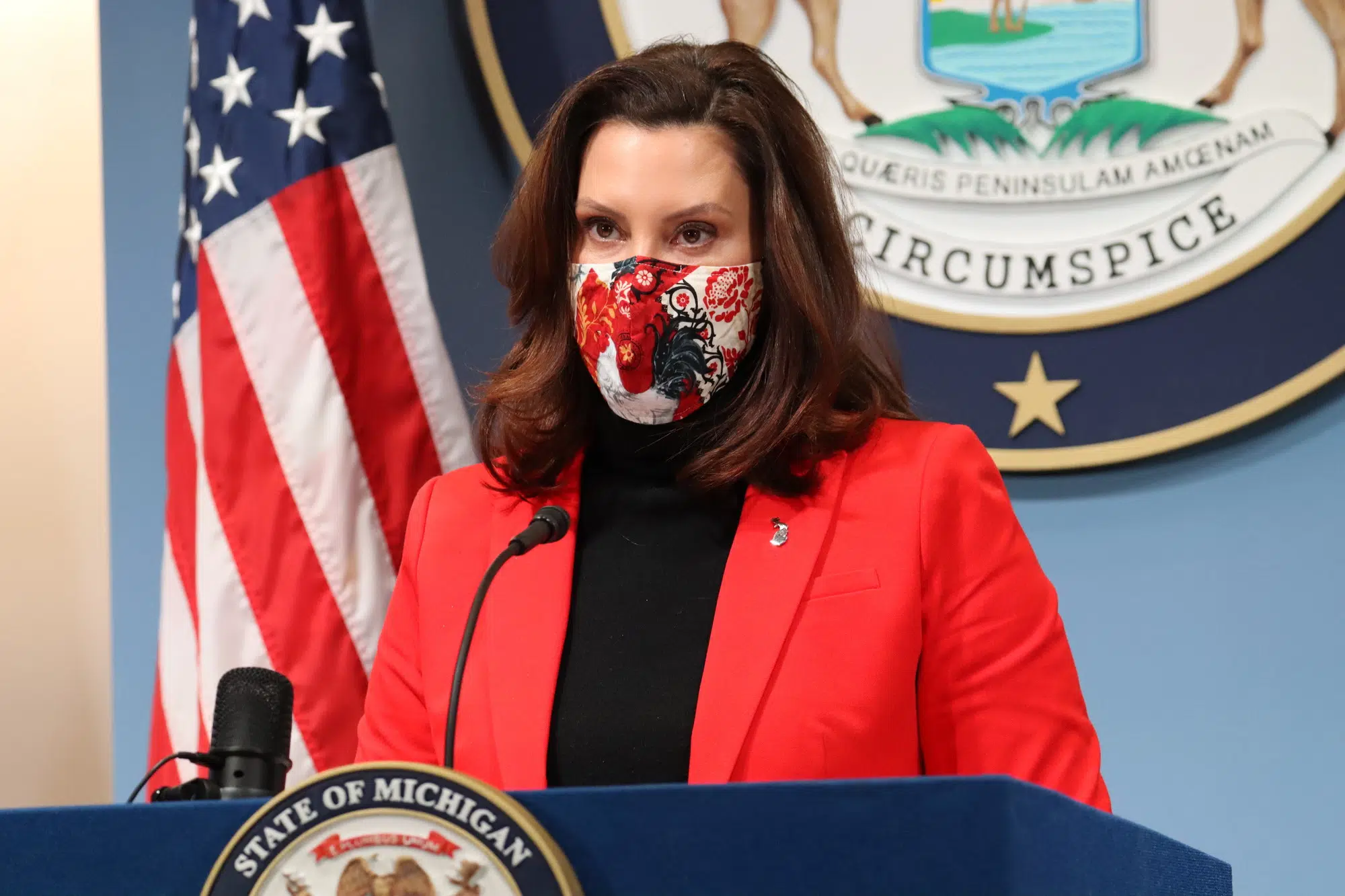
The group presented its findings – a list of 35 policy recommendations – to Gov. Gretchen Whitmer, who created the task force in December 2019 to identify new ways state government can help low-income Michiganders transcend poverty and build a better life.
“The economic impact and hardships this pandemic has imposed on so many Michiganders only makes the work of this task force more critical,” Governor Whitmer said. “These recommendations will help us ensure that Michigan families have access to the support they need. I look forward to working across the aisle and with our many stakeholders to implement the recommendations that have the biggest impact across our state.”
To further the Task Forces efforts and recommendations, Whitmer included a $1M appropriation to conduct research and planning that will help lead the way towards improving the effectiveness of state benefit programs and address the barriers limiting individuals’ ability to access these programs in her Fiscal Year 2022 budget recommendations.
The task force, led by the Michigan Department of Labor and Economic Opportunity (LEO), consists of leaders from 14 state departments, with input from the Legislature and philanthropy and community organizations who worked together throughout the COVID-19 pandemic to develop a comprehensive anti-poverty agenda for Michigan.
“The task force’s approach to poverty eradication will not only lift the poorest Michiganders but will also help those who’ve seen their middle-class status slip away because of stagnant wages and an evolving job market,” LEO acting director Susan Corbin said.
While many state government efforts are already in place to help Michigan’s poor, the Poverty Task Force offered 35 new policy recommendations organized in five main areas. Examples of the report’s recommendations include:
- Benefits: Commission a comprehensive study on outcomes for former state assistance recipients and adopt a Temporary Assistance for Needy Families (TANF) shelter stipend
- Economics: Increase access to Michigan’s Earned Income Tax Credit; support and incubate children’s savings accounts; and expand the housing choice voucher pilot program between the Michigan State Housing and Development Authority and the Michigan Department of Corrections
- Criminal Justice: Expand apprenticeship opportunities for inmates while incarcerated; and divert people with behavioral health needs away from the justice system
- Health, Safety and Housing: Create child support pass-through to families who receive or have received cash assistance; and fund the Michigan Housing and Community Development Fund
- Education: Expand the Great Start Readiness Program; expand Early Childhood Home Visiting and Maternal-Infant Health programs; increase income eligibility for child care; and expand school breakfast and breakfast-after-the-bell programs
“These recommendations are the first step toward restoring the state’s safety net and bringing opportunity to struggling families,” LEO deputy director for prosperity and key staffer to the Poverty Task Force Kim Trent said. “Creating conditions that give every Michigander access to economic opportunity and prosperity is one of the most sacred duties of state government.”
Today, 43% of Michiganders earn less than the basic cost of living and 1 in 5 children live in poverty, according to the United Way’s ALICE (Asset Limited, Income Constrained, Employed) report. To afford the basics, single adults need a salary of just over $21,000 and a family of four needs to earn over $61,000.