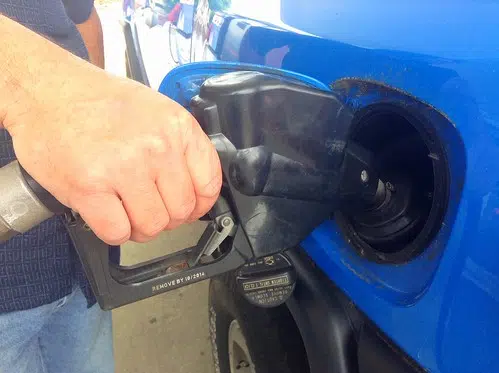
DEARBORN, MI (WKZO AM/FM) — Gas prices in Michigan are up 3 cents compared to last week. Michigan drivers are now paying an average price of $2.18 per gallon for regular unleaded. This price is just 1 cent more than this time last month, but still 56 cents less than this time last year.
Motorists are paying an average of $33 for a full 15-gallon tank of gasoline; a discount of $11 from when prices were their highest last July.
In Kalamazoo County, motorists are paying an average of $2.14 cents per unleaded gallon.
Officials with AAA say that lower demand for gas has helped to keep pump prices stable.
“If demand remains low amid tighter stock levels, motorists will likely see moderate fluctuations in pump prices,” AAA spokesperson Adrienne Woodland said in a statement.
- Most expensive gas price averages: Marquette ($2.29), Metro Detroit ($2.21), Flint ($2.17)
- Least expensive gas price averages: Traverse City ($1.97), Benton Harbor ($2.14), Jackson ($2.15)
Click here to view AAA’s state and metro gas averages.
Meanwhile, AAA officials are urging motorists to be cautious, slow down and stay alert in both neighborhoods and school zones as students are returning to class.
Normally, drivers would expect to see increased foot traffic in school zones, sidewalks and crosswalks, but this year will be completely different due to the COVID-19 pandemic. With a mix of in-school and remote learning, motorists could find increased pedestrian traffic in neighborhoods as many students transition to remote and virtual learning options.
“Back to school season looks a little different this year, but it’s still important for motorists to be vigilant and keep safety top of mind,” Woodland added. “Traditional school zone activity could move closer to home for many and we are urging drivers to remain alert and expect increased foot and bicycle traffic at all times throughout the day.”
Tips for Drivers –
- Slow down and be vigilant in school zones. Speed limits in school zones are reduced for a reason. A pedestrian struck by a vehicle traveling at 25 mph is nearly two-thirds less likely to be killed compared to a pedestrian struck by a vehicle traveling just 10 mph faster.
- Expect children in neighborhoods throughout the day. With more students learning from home, whether through homeschooling or virtual learning, children may be playing outside or taking a recess break throughout the day. Treat neighborhoods as school zones by reducing your speed and watching for children near the road.
- Come to a complete stop. Research shows that more than one-third of drivers roll through stop signs in school zones or neighborhoods. Always come to a complete stop, checking carefully for children on sidewalks and in crosswalks before proceeding.
- Eliminate distractions. Research shows that taking your eyes off the road for just two seconds doubles your chances of crashing. And children can be quick, crossing the road unexpectedly or emerging suddenly between parked cars.
- Watch for bicycles. Children on bicycles are often inexperienced, unsteady and unpredictable. Slow down and allow at least three feet of passing distance between your vehicle and a bicyclist. If your child rides a bicycle to school or around the neighborhood, require that they wear a properly fitted bicycle helmet on every ride. Find videos, expert advice and safety tips at ShareTheRoad.AAA.com.
- Talk to your teen. Car crashes are the leading cause of death for teens in the United States, and nearly one in four fatal crashes involving teen drivers occurs during the after-school hours of 3 p.m. to 7 p.m. Get evidence-based guidance and tips at https://teendriving.aaa.com/
MI/ .
Crash Data from the National Highway Traffic Safety Administration regarding student-related incidents can be found at this link.