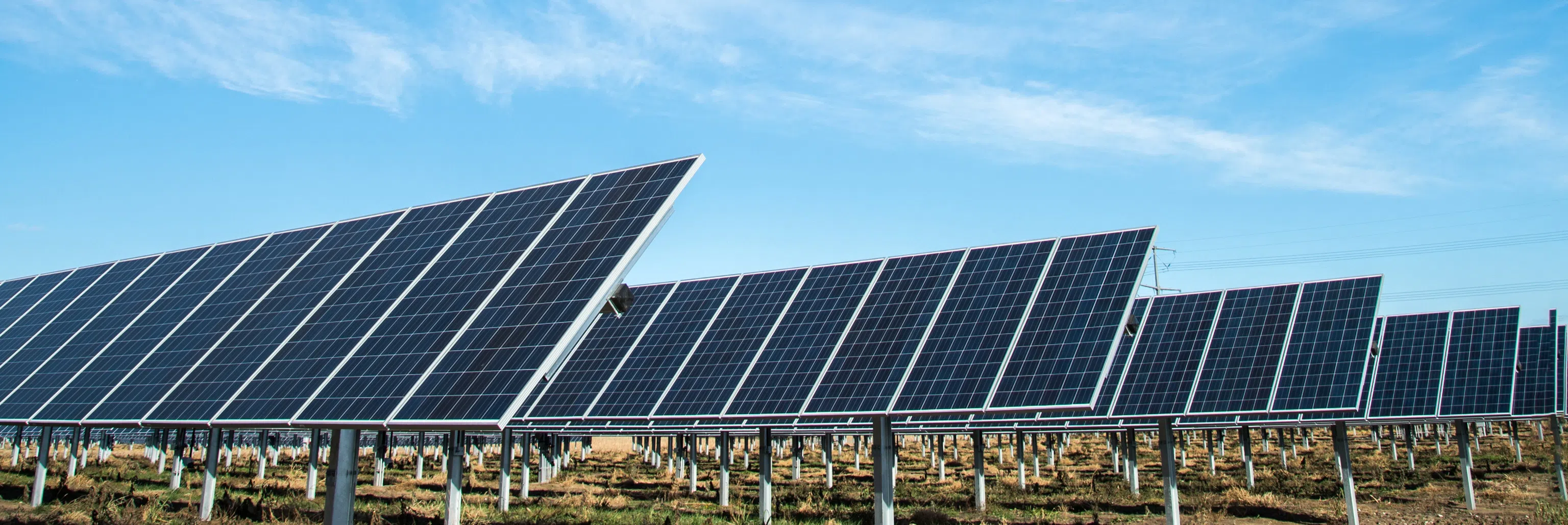
COLDWATER, MI (WTVB) – Despite the cancellation of nearly $540 million in federal green energy and climate grants for Michigan throughout 2025, major renewable energy projects in Branch County remain on track for completion this year.
While federal shifts under the current administration led to the termination of programs like the Environmental Protection Agency’s $156 million “Solar for All” grant for Michigan, local utility-scale projects are insulated by private financing and existing state-level utility mandates.
Three primary solar developments in Branch County continue to move forward as they rely on private investment and long-term utility contracts rather than the now-canceled federal grants. Branch Solar Project, Developed by NorthStar Clean Energy for Consumers Energy, a 200-megawatt (MW) facility is expected to come online in February .
The project, located on over 1,500 acres in Union and Bethel Townships, secured $334 million in private construction-to-term financing, protecting it from federal budget cuts.
Coldwater Solar is a 150 MW facility, developed by Apex Clean Energy in Coldwater and Ovid Townships, is nearing its final operational phase after construction began in 2024. The project is slated to power approximately 30,000 homes annually.
DTE’s Cold Creek Solar Park is funded by Ford Motor Company’s clean energy agreement with DTE Energy, through the MIGreenPower program.
This was the largest purchase from a utility in U.S. history. DTE officials say when completed later this year, the park will enable Ford to attribute 100% of electricity used in its Michigan assembly plants to carbon-free, renewable energy.
The 100 megawatt solar panel project spans Coldwater, Quincy, and Butler Townships on leased property east of Fiske Road to Ridge Road, between Jonesville Road to just north of U.S. 12.
The federal funding cuts, which impacted seven major programs across Michigan, were primarily aimed at initiatives for low-income rooftop solar, energy efficiency upgrades, and green manufacturing.
The single largest loss was the $156 million solar program for disadvantaged communities. Other cancellations included $170 million for facility efficiency and grants for electric vehicle manufacturing plants in other parts of the state.
Branch County’s utility-scale solar farms differ from the canceled grant-dependent projects because they are “market-driven” and supported by the Michigan Public Service Commission, which continues to oversee the state’s transition to an 80% clean energy standard by 2035.




Comments